- Home
- Programs
- Democracy Movement Exhibitions
Democracy Movement Exhibitions

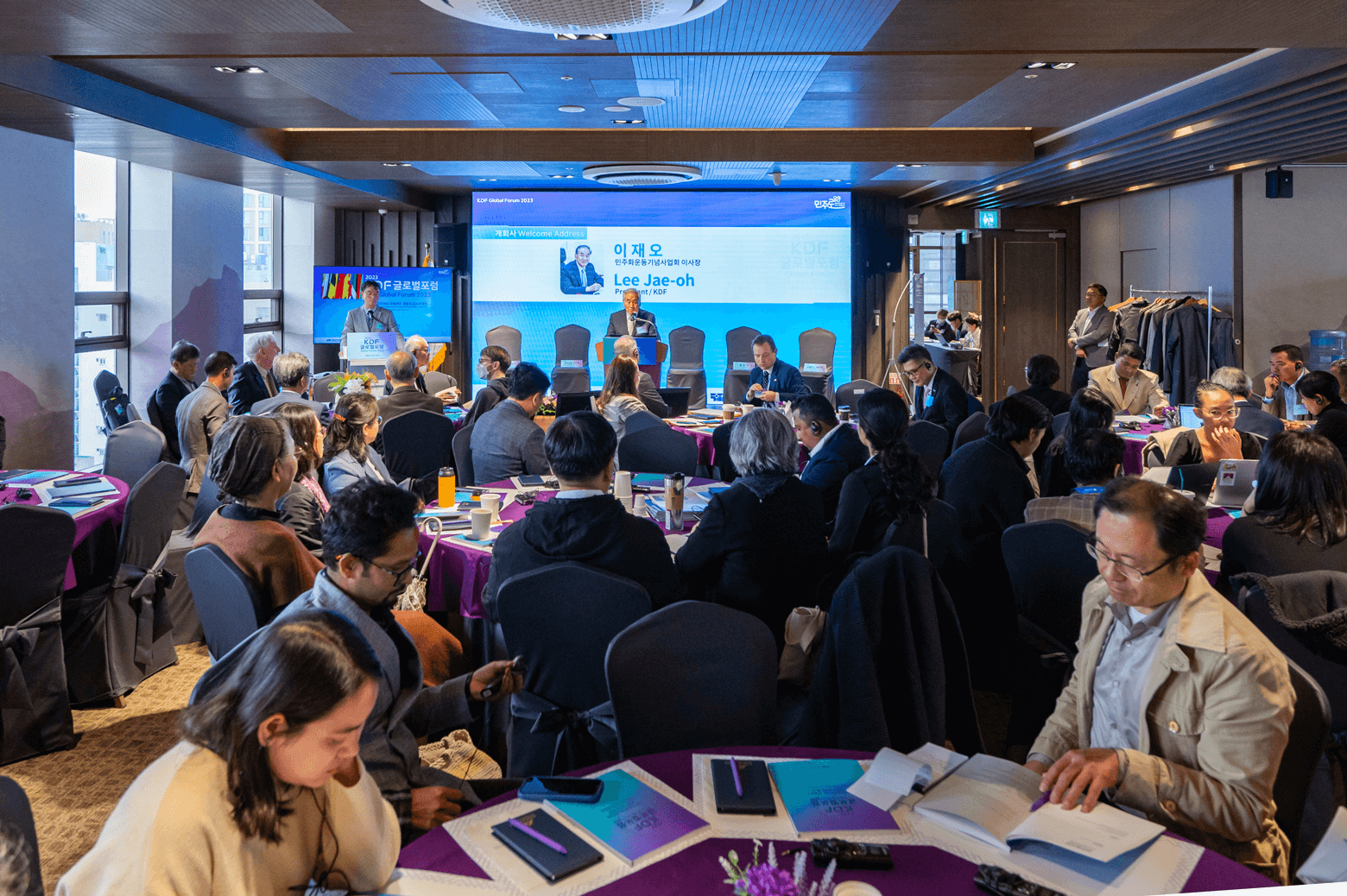
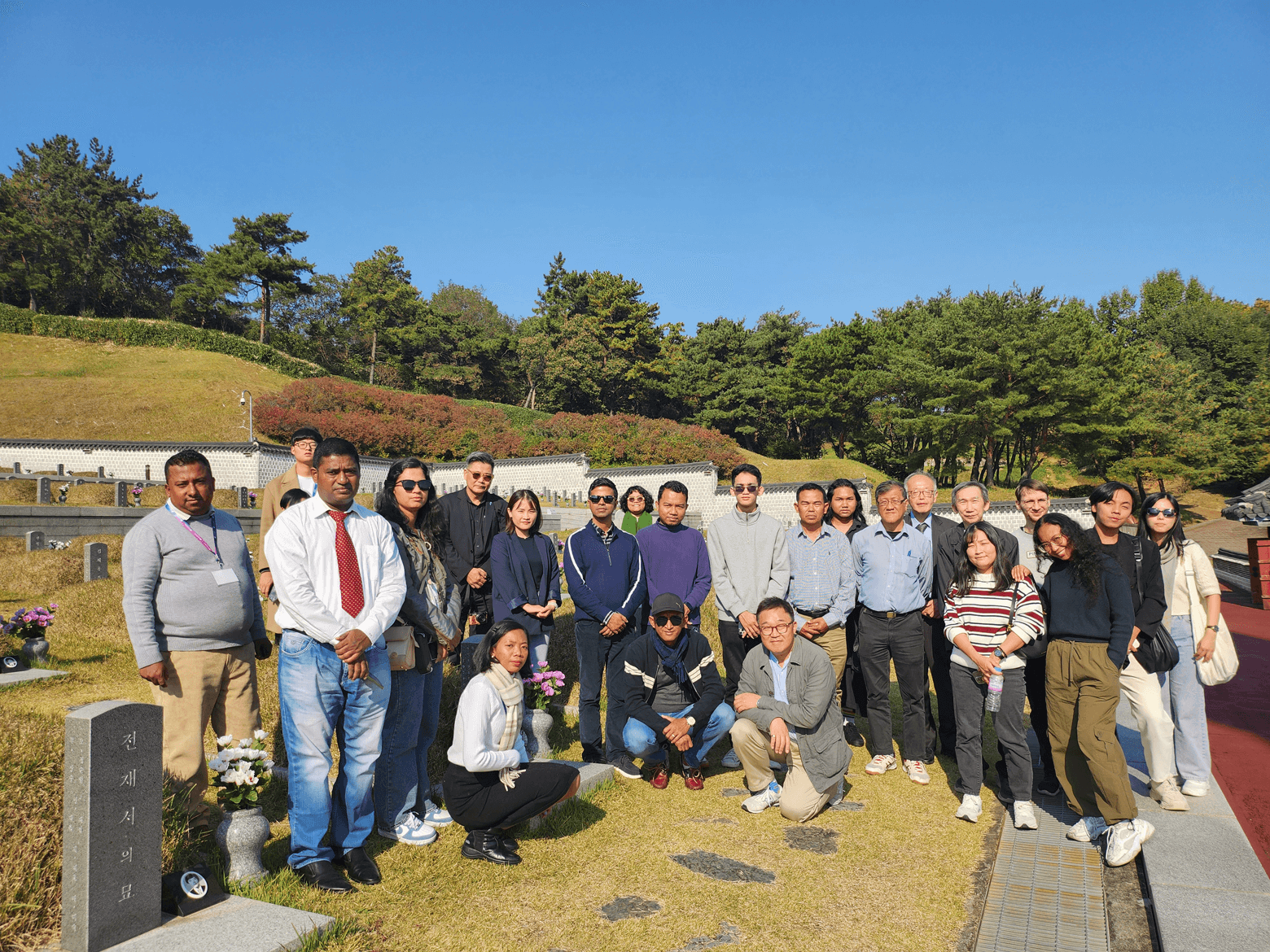
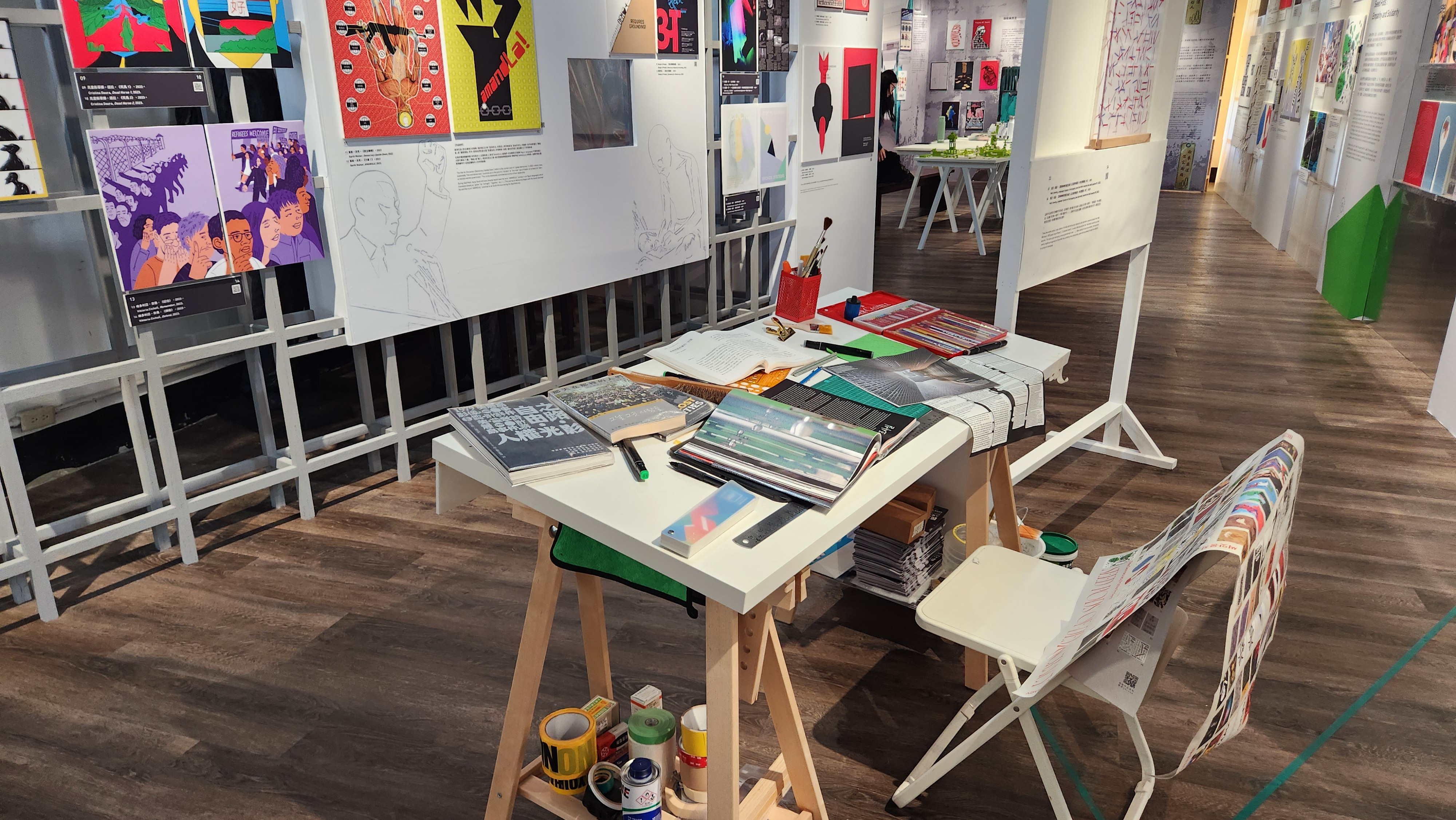
Bringing the History and Memory of Korea's Democracy to Life
The Korea Democracy Foundation develops exhibitions that bring the history of Korea's democratization movement into dialogue with the present.
Drawing on historical records, photographs, objects, artworks, oral histories, and audiovisual materials, KDF exhibitions explore the people, movements, ideas, and experiences that shaped Korea's democratic journey. They examine not only major historical events, but also the lives of individuals and communities who resisted authoritarianism and state violence, defended human rights, and expanded the boundaries of democracy.
Exhibitions are an important part of KDF's work to preserve and share democratic memory. Rather than presenting democratization as a completed chapter of history, KDF seeks to connect the experiences of the past with questions facing democracy today.
Permanent Exhibitions
The permanent exhibitions at the National Museum of Korean Democracy present the history of Korea's democratization movement through multiple perspectives.
Visitors can explore major events in Korea's democratic history, the structures and practices of authoritarian rule and state violence, the experiences of those who resisted repression, and the collective efforts through which democratic rights were expanded.
The exhibitions also move beyond historical chronology to invite reflection on fundamental democratic values such as freedom, equality, human dignity, and civic participation—and on what democracy means for our lives today and for future generations.
Special Exhibitions
KDF organizes special and thematic exhibitions that illuminate stories, people, movements, and records that deserve renewed attention within the broader history of Korean democracy.
These exhibitions provide opportunities to approach democratization from diverse perspectives—including civic resistance, human rights, state violence, social movements, art and culture, religion, families of victims and political prisoners, and the everyday experiences of people who participated in democratic change.
In 2026, for example, KDF presented 1987 in Bloom: June Blossoms Again (working English title), an exhibition of Minjung art marking the 39th anniversary of the June Democratic Struggle. Through paintings, prints, and visual materials created in and around the democratization movement, the exhibition connected the civic energy of 1987 with democratic participation today.
Another special exhibition, The Bell That Rang from the Lowest Place: A Prayer for Democracy (working English title), explored the role of Catholic, Protestant, and Buddhist communities in movements for democracy and human rights from the mid-1960s through the June Democratic Struggle of 1987. Historical documents, objects, and audiovisual materials traced how people of different faiths came together around the shared values of human dignity and justice.
KDF also presented I Miss You, I Want to See You (working English title), marking 40 years of solidarity among families of democracy activists, political prisoners, and victims of state violence. Through photographs, letters, handwritten manuscripts, oral histories, and historical records, the exhibition showed how personal grief was transformed into collective action for truth, human rights, and democracy.
From Archives to Exhibitions
Many KDF exhibitions begin with records.
Materials collected and preserved by KDF—including documents, photographs, audiovisual records, personal belongings, artworks, letters, and oral testimonies—are researched and reinterpreted through exhibitions so that historical records can become part of a shared public memory.
In this way, KDF connects its work in archives, research, exhibitions, and education. Records are not simply preserved for the future; they are brought back into public life, where new generations can encounter them, interpret them, and ask new questions.
Connecting Memory with the Present
KDF views exhibitions as more than a way of presenting the past.
They are spaces where history becomes memory, memory becomes dialogue, and dialogue opens new questions about democracy.
Through exhibitions at the National Museum of Korean Democracy and other venues, KDF seeks to ensure that the experiences of Korea's democratization movement remain part of contemporary public life—and that the struggles, choices, and aspirations of earlier generations continue to inspire reflection on democracy today.
Remembering democracy is not only about looking back. It is also about asking what democracy requires of us now.